In my work with nonprofit organizations, I have seen a recurring problem: teams collect information in separate systems, then struggle to bring it together when a report is due.
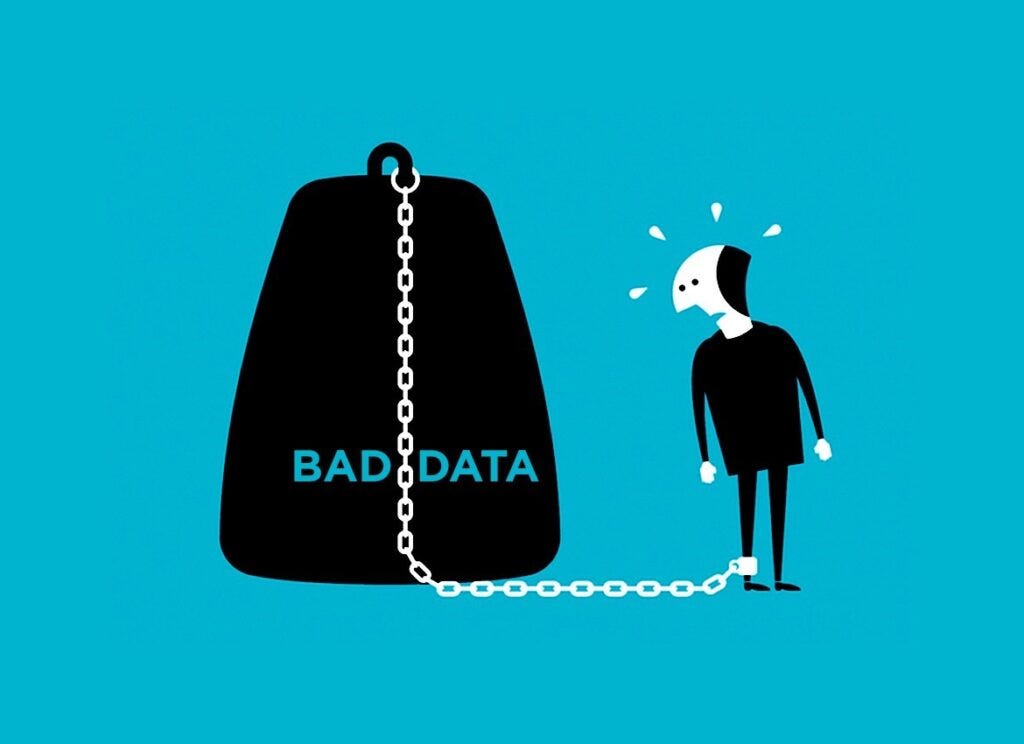 Image credit: IT Chronicles
The urgency of a reporting deadline can make the need for a data specialist apparent. That was the situation I encountered in May 2015 when I joined Chemonics International as a Database Specialist on the Regional Agricultural Development Program-South (RADP-S).
Decisions in the first months
During the first months of a project, logistics, recruitment and operations understandably receive a great deal of attention. Data collection is already happening at the same time, and decisions made early will affect the quality of later reports.
Departments may begin with separate spreadsheets or tools that suit their immediate needs. As the project grows, more people maintain more versions of the same information. Without agreed ownership and definitions, those records become difficult to reconcile.
When reporting exposes gaps
A donor review can expose these gaps. Staff need to explain progress against indicators, produce figures and show how those figures were calculated. Work may be progressing, but inconsistent records make it difficult to present a clear account of it.
In a conflict zone, teams already face substantial operating constraints. A reporting process that depends on reconciling scattered records at the last minute adds avoidable pressure.
Responding to a reporting deadline
A newly hired specialist may be asked to combine data from multiple systems and produce a report on a short deadline. This is where the principle “GIGO (Garbage in Garbage Out)” becomes practical: the quality of the report depends on the quality of the records available.
 Image credit: Alok Kumar
The specialist can investigate discrepancies, document missing information and explain the limits of the available data. They cannot recreate records that were never collected. Management then needs to decide which gaps can be resolved and how to report the remaining uncertainty.
What could have been done differently
My experience has made me an advocate for addressing data needs at the start of a project. I summarized that view this way:
In today’s world we can rarely find a problem that has not been solved yet, if it exists such a thing, entrepreneurs call that a “business opportunity”.
Give data collection and reporting an owner alongside HR, operations and logistics. Agree what needs to be recorded, who maintains it and which definitions each department will use.
Then choose tools that fit the work, the team’s skills and the operating budget. A familiar brand or a large feature list is not enough to establish that fit. A configurable tool such as Quickbase may be worth evaluating alongside other options, depending on the workflow.
At RapidIteration, we help organizations examine their data workflows and choose an approach to collection, reporting and system integration.
To discuss your organization’s needs and current consulting availability, book an introductory conversation.